
Article
Japanese contentHow to move from approval comments to the scheduled queue without stalling X operations
Operators and small teams whose X queue slows down after approval comments arrive / Published: 03/26/2026 · Updated: 04/07/2026
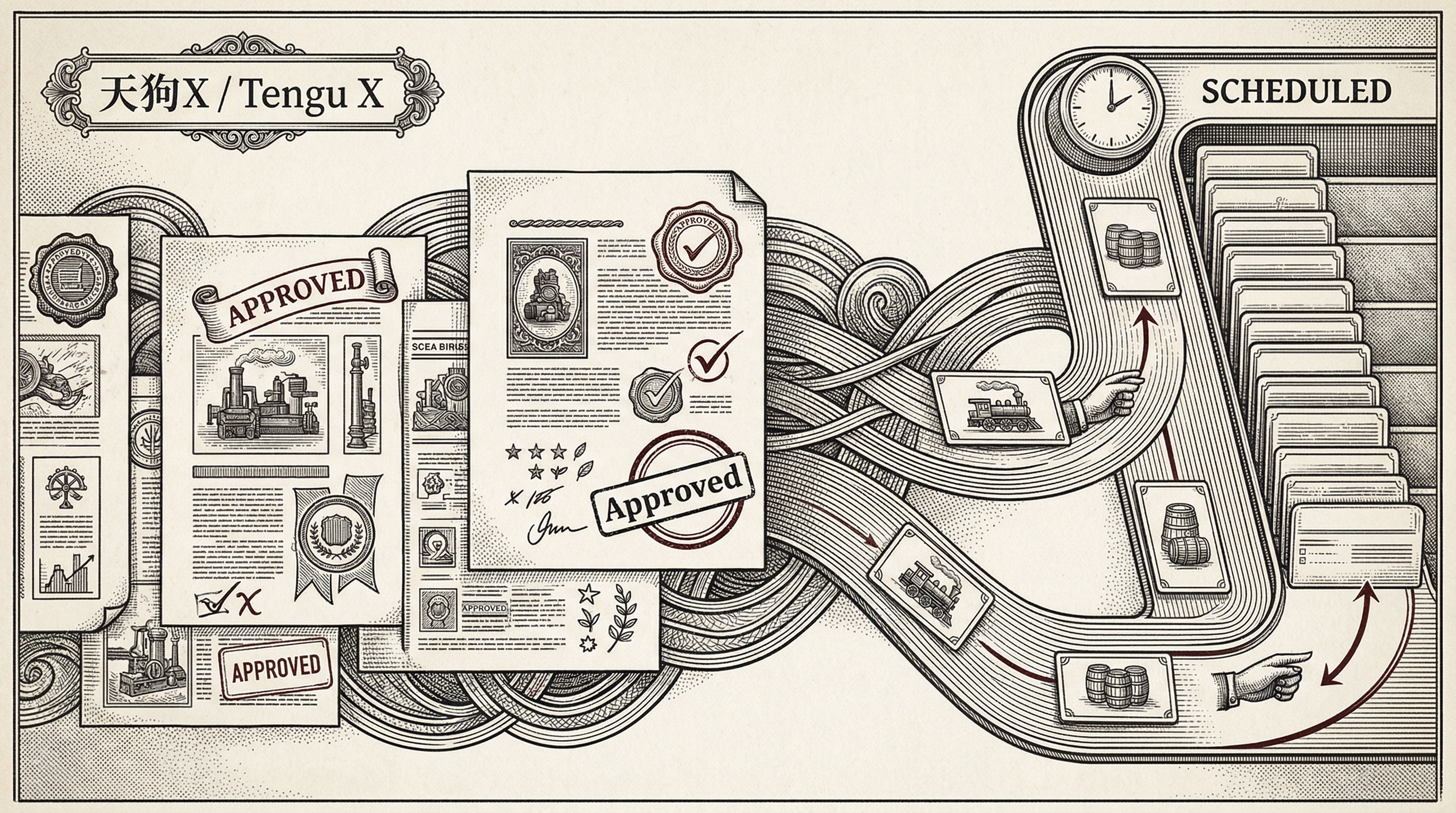
This article is currently available in Japanese.
The article UI is localized, and English article content is being added progressively.
The workflow often stalls after approval, not before it. Teams get comments back, but then lose time deciding who should revise, what actually requires re-approval, and when a post is safe to move into the weekly queue.
This guide shows how to connect approval comments to scheduled execution without losing the week. For the broader execution surface, start from /articles/workflows. For adjacent problem-fix articles, continue through /articles/guides.
Bottom line: after approval, optimize for pass conditions, not endless revision
Teams that slow down after approval usually have three unclear rules:
- which comments are mandatory
- who can resolve them without another full review
- when a revised post is ready for the queue
If the approval stage itself is already too heavy, fix that first with the published approval bottleneck guide. This article focuses on what happens after comments arrive.
When this workflow matters most
1. Comments arrive, but Friday queue completion still slips
That means the comment-to-execution handoff is weak.
2. Even small edits trigger another full approval cycle
If wording tweaks and CTA placement changes always go back to the reviewer, queue movement slows down.
3. Revisions drift away from this week's theme
A post can pass review and still become weaker as a scheduled candidate if the revision line is not controlled.
The basic approval-to-queue structure
| Phase | Purpose | Decision rule |
|---|---|---|
| Comment triage | split mandatory changes from optional ones | does it affect this week's release condition |
| Revision | make one clean pass | is the point, tone, and CTA aligned |
| Recheck | decide whether re-approval is required | did the meaning materially change |
| Queue placement | lock the post into this week's schedule | is it aligned with theme and priority |
The workflow
Step 1. Split comments into two groups
Use only two categories:
- mandatory changes: fact risk, claim framing, audience fit, tone safety, CTA clarity
- optional changes: wording preference, small stylistic shifts, minor emphasis changes
Sending optional edits back through full approval slows the queue.
Step 2. Fix revision ownership
Do not decide revision ownership ad hoc. Define whether the original drafter or the operations owner resolves post-approval edits.
Step 3. Define re-approval triggers in advance
Only send a post back through review when one of these changes happens:
- the main claim changes
- the intended reader changes
- the CTA destination changes
- the risk judgment changes
Everything else should move forward faster.
Step 4. Lock three queue-entry rules
- the post still matches this week's theme
- the CTA is reduced to one clear action
- it outranks weaker candidates for the current queue slot
If you want a lighter system, combine templates and prompts so revisions land in a more consistent shape.
How to reduce handoff waste
1. Turn comments into executable instructions
"Feels weak" is not useful. "Reduce to one CTA" or "state that this is for recruiting teams" is useful.
2. Keep recheck summaries short
The fastest recheck is a three-point summary of what changed.
3. Do not re-rank the whole week at queue time
If you reopen every candidate comparison after approval, the workflow stalls. Set the queue criteria before review starts.
How this fits the TenguX workflow surface
In TenguX, it helps to separate the pre-approval and post-approval lines.
- before approval: shape candidates through search, quotes, replies, and rewrites
- after approval: resolve mandatory changes and push the strongest posts into the queue
The upstream execution line connects naturally to the published quote and reply weekly queue workflow and search to reply queue workflow. If you also need tool selection context, pair this with /articles/compare and the new SocialBee alternative guide.
Summary
Teams that stall after approval usually do not have a revision problem. They have an unclear handoff problem.
- split mandatory changes from optional ones
- define exactly what requires re-approval
- keep queue-entry rules fixed
Start next week by separating "must re-approve" from "safe to queue after revision." That alone usually reduces Friday slippage.
If you want to test this handoff in your own operation, pair prompts with templates, then check rollout and plan-fit conditions on /priceplan. The closest adjacent fixes are the published CTA clutter guide and theme overlap guide.
Resources
Related resources
Use these templates and references to apply the article workflow directly in your own operations.
Next action
If you want to try this flow yourself, start by creating draft ideas for one theme.