
Article
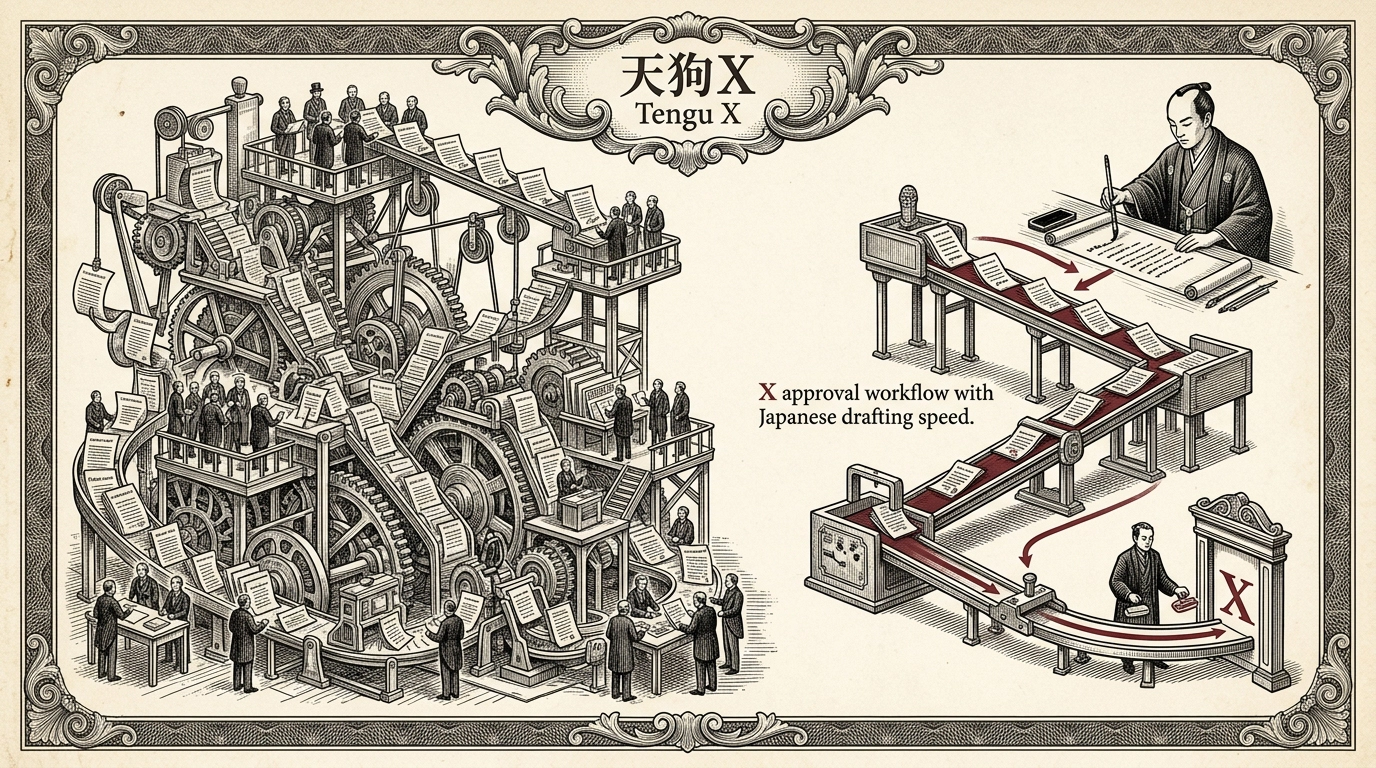
Japanese contentWhat should you use instead of Planable? A practical guide for X approval workflows and Japanese drafting
Teams using Planable for approvals but wanting faster Japanese X drafting and front-loaded scheduling / Published: 03/18/2026 · Updated: 03/18/2026
This article is currently available in Japanese.
The article UI is localized, and English article content is being added progressively.
Teams looking for a Planable alternative are usually not saying that approvals do not matter. They are saying that approvals are working, but the Japanese X drafting and scheduling flow around those approvals is still too slow.
As of March 18, 2026, Planable's official pricing and help documentation still position it as a collaboration-first social media operations platform with approval workflows, client review patterns, X publishing rules by plan, and an option to auto-schedule approved posts. That makes it a strong fit for structured review-heavy teams. It does not automatically make it the best fit for a Japanese X workflow that needs more drafting throughput.
The useful comparison comes down to three questions:
- how strict your approval workflow needs to be
- how much Japanese drafting speed matters before approval
- how quickly approved content needs to move into a real queue
Bottom line: choose based on approval strictness versus drafting and queue speed
If client approvals, role clarity, and review visibility are the main operating problem, Planable can still be the right answer.
If your pain sits elsewhere, your comparison should change:
- if Japanese draft creation is slow, compare drafting-first systems
- if approved posts still do not reach the queue early enough, compare full workflow movement
- if X is the main channel, do not over-weight broad multi-network collaboration features
For a broader baseline, start with the published X tool comparison guide.
What Planable clearly offers right now
The current public documentation suggests a clear positioning:
- the pricing page shows that X publishing is plan-dependent rather than universally available
- the approvals help article documents four workflow types, from no approval to enterprise multi-level approval
- the scheduling help article documents auto-scheduling after approval when a post already has a date and time set
This makes Planable easy to understand as an approval and collaboration system. It is less obviously optimized for the earlier stage where a team needs more usable Japanese drafts before the approver ever gets involved.
When Planable still makes sense
1. Client review is part of the core workflow
If your team is managing internal stakeholders plus client approvals, the operating value of Planable is not just scheduling. It is structure, visibility, and approval hygiene.
2. The approval stage itself is the high-risk area
Some teams need hard review gates. They need to know who approved what, when, and under which workflow rule. In that case, Planable's approval system is still a serious asset.
3. Draft creation is already handled elsewhere
If your team already has a reliable way to create Japanese drafts and mainly needs a clean approval layer, replacing Planable may not solve much.
Signals that you should compare alternatives
Japanese draft throughput is too low
If the team keeps reaching the approval stage with too few strong drafts, the bottleneck is upstream. That usually points to topic discovery, rewrite speed, and editorial shaping rather than approval software alone. The existing posting ideas system guide is a useful companion here.
Approval finishes, but the queue is still late
If approvals happen but scheduled posts still get locked too close to publish time, your real problem is not approval status. It is queue movement. In that case, the operating model in the existing search-to-rewrite-to-queue workflow is a better reference point.
X is the main channel, but the workflow is still tool-heavy
If your team mainly cares about Japanese X execution, a broad collaboration layer can become heavier than the actual posting workflow needs.
Three lenses for a useful Planable comparison
| Lens | Planable tends to fit better when | An alternative tends to fit better when |
|---|---|---|
| Approval workflow | client review, permissions, and staged approval matter most | a small team wants faster front-loaded decisions |
| Draft speed | Japanese drafts are already created elsewhere | the team needs more usable drafts before approval |
| Queue movement | approval completion is the main milestone | approved work must move into scheduled slots earlier |
This is why Planable can stay strong as an approval platform while becoming less attractive when the main need is faster Japanese X production and queue locking.
What to inspect before you switch
1. Is the real delay in approval or before approval?
If the drafts are weak before review, changing the approval layer alone will not help.
2. How much client-facing review do you really need?
If the answer is "a lot," Planable stays viable. If the answer is "some, but not enough to justify the full weight," the comparison changes.
3. What happens after approval?
If approved posts still wait around before scheduling, the workflow gap is later in the chain. Pair this with the published reservation workflow article.
When TenguX is easier to compare
TenguX becomes easier to compare when the team is X-first and wants to reduce the distance between search, Japanese drafting, and queue placement.
That is often true when:
- topic search is producing material, but too few Japanese drafts become approval-ready
- the team wants higher draft quality before the approver sees anything
- queue placement matters as much as approval clarity
For that kind of team, the existing approval bottleneck guide and small-team X ops guide are useful companion reads.
Summary
The right alternative to Planable depends less on raw feature count and more on where the workflow is actually slow.
- keep Planable in the mix if client approvals and structured review are the main priority
- compare drafting-first systems if Japanese draft throughput is the real constraint
- compare workflow-first systems if approved posts still do not reach the queue early enough
Start with one account or one weekly batch. Compare usable draft count, approval completion time, and scheduled post count for two weeks. That gives a better answer than a larger checklist.
Resources
Related resources
Use these templates and references to apply the article workflow directly in your own operations.
Next action
If you want to try this flow yourself, start by creating draft ideas for one theme.